Table of Contents
Free case qualifier
Not sure where to start?
Tell us what happened — a car accident, another injury, vehicle damage, or mold — and we route your details straight to intake.
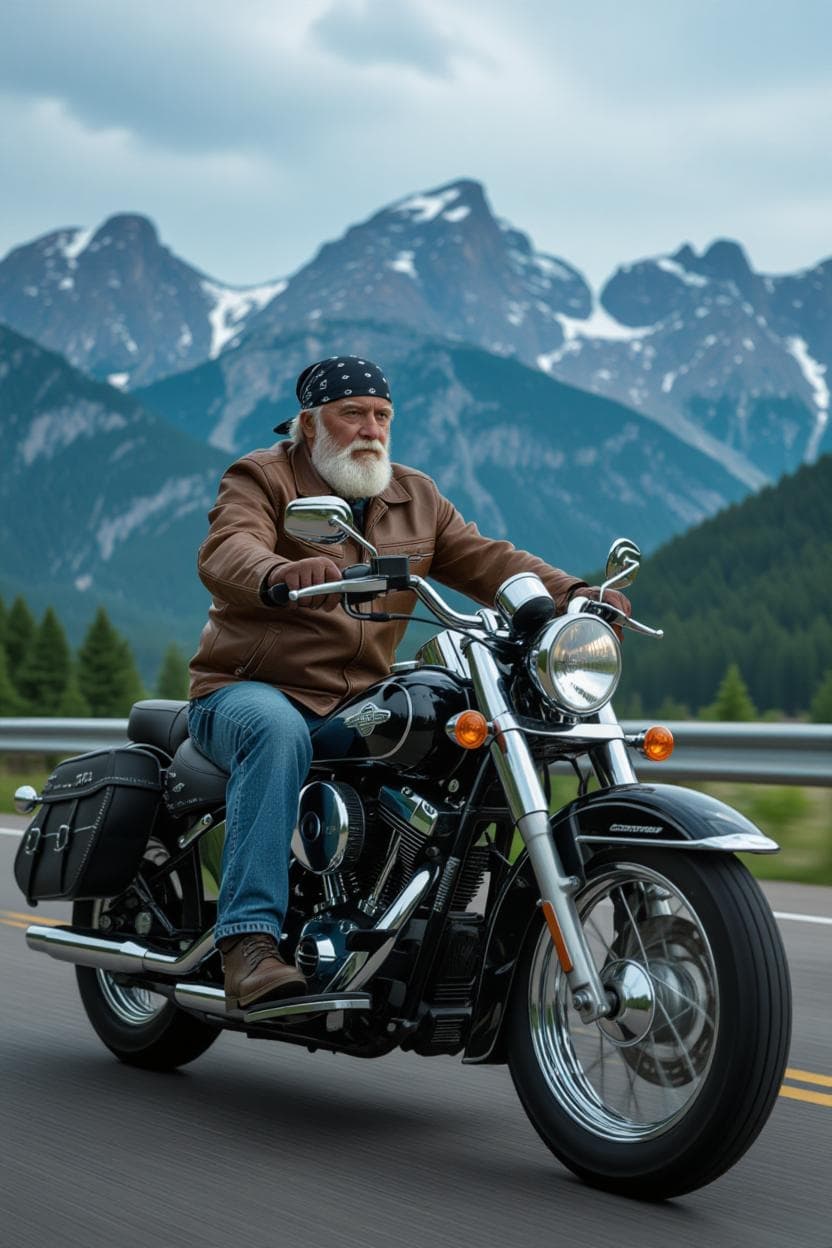
Start the qualifierColorado does not have a universal motorcycle helmet law. Under C.R.S. § 42-4-1502, only riders and passengers under 18 years of age must wear protective headgear while operating or riding on a motorcycle. For adults, helmet use is a choice. Not wearing a helmet will not prevent you from filing a claim, but helmet questions can come up when head injuries are evaluated. Understanding how helmet use intersects with Colorado personal injury law is useful for any rider involved in a crash.
Video: Helmet Questions After a Colorado Motorcycle Crash
This short Conduit Law video explains why helmet questions are only one part of a motorcycle injury claim. Medical care, crash facts, witnesses, photos, and the full record still matter.
General information only, not legal advice. Watching this video does not create an attorney-client relationship.
Colorado's Motorcycle Helmet Statute Explained
The helmet requirement is codified in C.R.S. § 42-4-1502, which governs protective gear for motorcycle operators and passengers. The statute has several components that riders should understand completely.
Who Must Wear a Helmet
- All riders and passengers under 18 years of age must wear a helmet meeting DOT standards (FMVSS 218)
- Riders 18 and older are exempt from the helmet requirement entirely
- The law applies to both operators and passengers—a 17-year-old passenger on an adult rider's motorcycle must wear a helmet even if the adult rider does not
Helmet Standards and Compliance
When a helmet is required, it must meet the Federal Motor Vehicle Safety Standard 218 (FMVSS 218), commonly known as the DOT standard. This requires helmets to pass impact attenuation, penetration resistance, and retention system tests. Novelty helmets, the thin skull-cap style helmets sold without DOT certification, do not satisfy Colorado's legal requirement for riders under 18.
The Snell Memorial Foundation and ECE 22.06 certifications are additional safety standards. They are not legally required in Colorado, but many riders choose them.
Eye Protection: The Requirement Most Riders Miss
While helmet use is optional for adults, Colorado's motorcycle equipment statute, C.R.S. § 42-4-1502, also addresses eye protection, and that requirement is not limited to riders under 18. The details of what qualifies can depend on your equipment, so it is worth confirming your setup complies.
"Many Colorado riders know they can legally ride without a helmet but are unaware that eye protection is required. Riding without it can lead to a traffic citation and, if impaired vision contributed to a crash, it can become part of the comparative fault discussion."
What Qualifies as Eye Protection
- Full-face helmet with visor: Satisfies both helmet (if under 18) and eye protection requirements
- Motorcycle-rated goggles: Designed for riding, with good peripheral vision and impact resistance
- Protective glasses: Impact-resistant lenses; ordinary prescription glasses or sunglasses may not qualify
- Motorcycle windscreen: Confirm whether your windscreen satisfies the requirement before relying on it
The eye protection requirement is more than a technicality. Riders struck by debris, insects, or wind-induced tears while riding without eye protection may face a traffic citation, and if vision impairment played a role in the crash, it can become part of the comparative fault analysis.
How Helmet Use Affects Injury Claims
This is where Colorado's helmet law meets the practical side of injury claims.
The Critical Legal Distinction
Helmet use does not bear on who caused a crash. Where helmet arguments come up at all, they concern the severity of head injuries:
| Concept | How Helmet Use Applies |
|---|---|
| Liability (who caused the crash) | Helmet use is irrelevant—not wearing a helmet does not cause crashes |
| Damages (severity of injuries) | Insurers may raise helmet non-use about head injuries specifically |
| Comparative negligence | Whether helmet evidence can be used is a legal question decided case by case |
| Non-head injuries | Helmet use has no bearing on fracture, road rash, or internal injury claims |
A driver who runs a red light and hits a motorcyclist is responsible for causing the crash regardless of helmet use. If the motorcyclist sustained a traumatic brain injury while riding without a helmet, the driver's insurer may argue that the TBI would have been less severe with a helmet. That argument goes to damages, not fault.
Can Helmet Non-Use Reduce Damages?
Insurers sometimes argue that riding without a helmet was a failure to take reasonable steps to limit one's own harm. Whether that argument is allowed, and how far it reaches, is a legal question that turns on current Colorado law and the facts of the case.
An important counterpoint: Colorado's legislature specifically chose not to require adult helmet use. Penalizing adults in a civil claim for exercising that legal choice is in tension with that decision. We evaluate how a helmet argument applies before it affects any settlement discussion.
Helmet Arguments Insurers Raise
Claims from unhelmeted riders tend to involve a few recurring arguments. Knowing them helps you and your attorney prepare.
Argument 1: Blanket Reductions
Insurers sometimes propose a flat percentage reduction across the entire claim based on helmet non-use. Helmet use has no logical bearing on a broken femur, road rash on the arms, or internal organ damage. A motorcycle accident attorney will insist that any helmet discussion be limited to head injury damages, if it applies at all.
Argument 2: Biomechanical Expert Testimony
Defense teams may retain biomechanical engineers to testify that a DOT-approved helmet would have prevented or substantially reduced the specific head injuries sustained. These experts analyze impact angles, forces, and helmet attenuation data to quantify the difference. Countering this testimony requires your own expert who can explain the limitations of helmet protection—particularly in high-speed impacts, rotational forces, and multi-impact scenarios where even helmeted riders sustain TBI.
Argument 3: The "Choice" Framing
Helmet non-use is sometimes framed as a conscious acceptance of risk, which can affect how a jury views pain and suffering. The response is straightforward: Colorado law gives adults the choice to ride without a helmet, and making a lawful choice does not change who caused the crash.
Argument 4: Questioning Helmet Condition
When riders were wearing helmets that failed to prevent head injuries, insurers may argue the helmet was expired, improperly fitted, or non-compliant with FMVSS 218 standards. The argument shifts to inadequate protection rather than no protection. Preserving your helmet after a crash is critical evidence; never discard or allow the insurance company to take possession of a damaged helmet without documenting its condition, DOT certification, and manufacturing date.
Under-18 Riders: Mandatory Helmet Violations
For riders and passengers under 18, riding without a helmet violates C.R.S. § 42-4-1502, so helmet questions can carry more weight than in an adult case. Several issues can come up:
- Statutory violation: Because the law requires the helmet, insurers may argue the violation itself is evidence of fault
- Adult supervision: Questions may be raised about the adults who allowed the minor to ride without a helmet
- Operator responsibility: The motorcycle operator carrying an unhelmeted minor passenger may bear liability for the passenger's enhanced injuries
If your child was injured in a motorcycle accident while not wearing a legally required helmet, the helmet issue matters but is not necessarily fatal to the claim. The at-fault driver still bears responsibility for causing the crash, and the helmet question concerns head injuries, not other injuries. Talk with a personal injury attorney early to understand how it applies to your child's case.
Practical Recommendations for Colorado Riders
Regardless of your position on helmet mandates, the legal and financial reality strongly favors wearing a helmet when riding in Colorado:
- Always wear a DOT-certified helmet: It takes helmet questions off the table in an injury claim
- Choose full-face helmets: They satisfy both the helmet and eye protection requirements simultaneously and provide superior jaw/face protection
- Replace helmets after any impact: Helmets are single-use protective devices—internal foam compression is invisible but reduces protection
- Replace aging helmets: UV degradation and material aging reduce protective capability over time
- Keep purchase receipts: Documentation of DOT certification, purchase date, and proper fit counters defense arguments about helmet quality
- Wear impact-rated eye protection: Even with a windscreen, separate eye protection is a simple way to stay compliant with C.R.S. § 42-4-1502
For comprehensive information about all Colorado motorcycle regulations, see our guide to Colorado motorcycle laws and helmet requirements.
Frequently Asked Questions
Can I sue if I wasn't wearing a helmet in a motorcycle accident?
Yes. Colorado adults are legally permitted to ride without helmets under C.R.S. § 42-4-1502. Not wearing a helmet does not prevent you from filing a personal injury claim or lawsuit. The at-fault driver's insurer may argue that your head injuries were worse because of helmet non-use, but non-head injuries (broken bones, road rash, internal injuries) should not be affected by helmet arguments. Under C.R.S. § 13-21-111, your recovery is reduced by your share of fault for the crash, and you must be less than 50% at fault to recover anything.
How much can helmet non-use reduce my settlement?
There is no standard percentage, and whether a helmet argument can be raised at all is a legal question. If it is raised, it should concern only the head injury portion of the claim, not fractures, road rash, or other injuries. The answer depends on the severity of the head injury, expert testimony, and the legal rulings in your case.
Is eye protection legally required for motorcyclists in Colorado?
Yes. C.R.S. § 42-4-1502 addresses eye protection for motorcycle riders, and unlike the helmet requirement, it is not limited to riders under 18. Ordinary prescription glasses or sunglasses may not qualify. Riding without proper eye protection can lead to a citation, and if vision impairment played a role in a crash, it can become part of the comparative fault analysis.
What helmet certifications are accepted in Colorado?
Colorado requires helmets meeting FMVSS 218 (the DOT standard) for riders who must wear helmets (under 18). Snell Memorial Foundation and ECE 22.06 are additional safety certifications many riders choose. Novelty helmets without DOT certification do not satisfy the legal requirement.
Does wearing a helmet guarantee full compensation for head injuries?
No, but it removes helmet questions from the claim. Other comparative fault arguments (speed, lane position, visibility) can still reduce your recovery. Policy limits, the at-fault party's coverage, and the non-economic damages cap under C.R.S. § 13-21-102.5 ($1,500,000 for claims that accrue on or after January 1, 2025, and actions filed during 2025) may also limit total recovery. Damages for physical impairment or disfigurement are not subject to that cap. Wearing a helmet is the single most impactful step you can take for your physical safety.
Disclaimer: This blog post is for informational purposes only and does not constitute legal advice. Helmet laws and their interaction with personal injury claims involve complex legal analysis. Consult an attorney for advice specific to your situation.
If you've been injured in a motorcycle crash in Colorado—helmeted or not—Conduit Law can help you understand how helmet questions fit into your claim. Call (720) 432-7032 for a free consultation or schedule your case evaluation online.

Written by
Elliot Singer, Esq.
Personal injury attorney at Conduit Law, dedicated to helping Colorado accident victims get the compensation they deserve.
Learn more about our team