Table of Contents
Free case qualifier
Dealing with mold exposure?
Answer a few quick questions about the property and your symptoms — we route your details straight to intake.
Start the qualifierMold in a rental apartment is more than a cosmetic nuisance. It can be a health hazard and a legal issue for Colorado landlords. According to the Centers for Disease Control and Prevention (CDC), exposure to damp indoor environments with mold is associated with upper respiratory tract symptoms, coughing, and wheezing in otherwise healthy individuals. For Colorado tenants, the state's Warranty of Habitability statute (C.R.S. 38-12-503) provides meaningful legal protections when landlords fail to maintain safe, mold-free living conditions. If you suspect mold in your apartment, knowing what to look for, understanding your rights, and acting quickly can protect both your health and your legal options.
Urgent evidence note: if you still have access to the moldy unit, talk to a lawyer before move-out, repairs, remediation, or lockout. A timely environmental report can document the condition while it still exists. Start with our guide on calling a mold lawyer before losing unit access.
Common Signs of Mold in Your Apartment
Mold thrives in moisture-rich environments, and apartments with poor ventilation, plumbing leaks, or inadequate weatherproofing are prime candidates for infestation. In Colorado, the semi-arid climate might seem like protection against mold, but indoor humidity from cooking, bathing, and plumbing leaks creates ideal conditions in enclosed apartment spaces. Recognizing mold early matters because problems behind walls or under flooring tend to grow if the moisture source is not fixed. Colorado tenants who spot early warning signs and document them promptly are better positioned to hold landlords accountable under C.R.S. 38-12-503.
Visual Signs
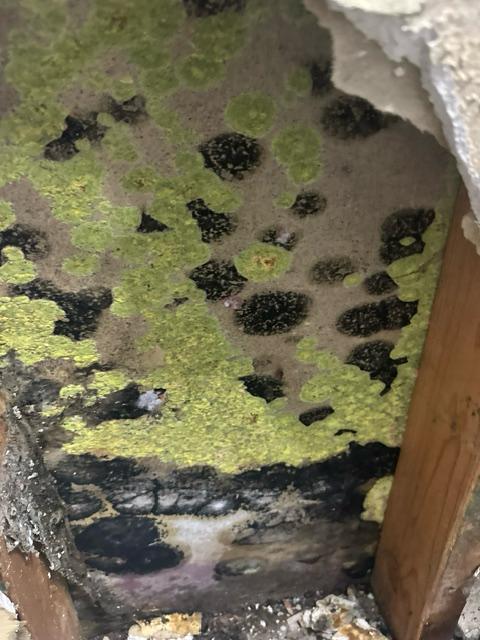
The most obvious indicator of mold is visible growth on surfaces. Mold can appear as black, green, white, or orange patches on walls, ceilings, and around windows. It may look fuzzy, slimy, or powdery depending on the species. Stachybotrys chartarum, commonly known as black mold, typically presents as dark greenish-black patches and requires consistent moisture to grow. Water stains on ceilings or walls, peeling paint, and bubbling wallpaper are also strong indicators of moisture intrusion that supports mold colonization. According to the EPA, mold can begin growing on damp surfaces within 24 to 48 hours of water exposure, meaning even a single unrepaired leak can spawn a significant mold problem within days. Colorado tenants should photograph any discoloration or unusual surface growth immediately, with timestamps, and report the condition to their landlord in writing. These visual records become essential evidence if the situation escalates to a legal claim under the Warranty of Habitability.
- Black or dark green patches — may indicate Stachybotrys (black mold)
- White or gray fuzzy growth — common mold species on drywall and wood
- Orange or pink discoloration — often found in bathrooms and kitchens
- Water stains on ceilings or walls — indicate active or past moisture intrusion
- Peeling paint or bubbling wallpaper — moisture behind the surface driving mold growth
Musty Odors
Sometimes mold announces itself through smell before it becomes visible. A persistent musty, earthy odor in your apartment, particularly in bathrooms, closets, basements, or near HVAC vents, often signals hidden mold growth behind walls or under flooring. The American Industrial Hygiene Association (AIHA) notes that microbial volatile organic compounds (MVOCs) produced by actively growing mold colonies create these distinctive odors. If your apartment smells musty even after thorough cleaning and ventilation, that odor likely originates from mold you cannot see. Under C.R.S. 38-12-503, landlords must maintain premises fit for human habitation, which includes addressing the moisture sources that produce mold-related odors. Documenting when and where you notice these smells strengthens your position if you need to escalate the issue legally.
Health Symptoms That May Indicate Mold Exposure
Your body may detect mold before your eyes or nose do. Common symptoms of mold exposure include persistent coughing, sneezing, nasal congestion, throat irritation, skin rashes, watery eyes, and headaches. The CDC reports that individuals with mold allergies may experience more severe reactions, while people with chronic lung conditions or compromised immune systems face risks of serious fungal infections. According to the Institute of Medicine (IOM), sufficient evidence links indoor mold exposure to upper respiratory symptoms, coughing, wheezing, and asthma symptoms in sensitized individuals. If these symptoms appear or worsen after moving into a new apartment, improve when you leave the space, and return when you come back, mold exposure is a likely cause. Seeking medical evaluation promptly is critical both for your health and for establishing the medical documentation necessary for a potential legal claim. For a deeper look at how mold exposure affects your health and your legal rights, see our guide on toxic mold exposure symptoms.
| Mold Type | Appearance | Common Location | Health Risk |
|---|---|---|---|
| Stachybotrys (Black Mold) | Dark greenish-black, slimy | Drywall, ceiling tiles, wood | Respiratory irritation, allergic reactions |
| Aspergillus | Green, white, or gray | HVAC systems, insulation | Allergic reactions, lung infections |
| Cladosporium | Olive-green to brown | Fabrics, carpets, under sinks | Skin rashes, asthma triggers |
| Penicillium | Blue or green, velvety | Water-damaged materials, wallpaper | Allergic reactions, sinusitis |
Hidden Mold: Where It Grows Out of Sight
Not all mold grows in plain sight. In fact, the most dangerous mold infestations are often concealed behind building materials where tenants cannot easily detect them. The EPA warns that mold can grow on virtually any organic material as long as moisture and oxygen are present, including wood, drywall, insulation, carpet backing, and ceiling tiles. In Colorado rental properties, deferred maintenance is a common factor. When landlords delay roof repairs, ignore slow plumbing leaks, or install inadequate bathroom ventilation, they create ideal conditions for concealed mold growth. Under Colorado's Warranty of Habitability (C.R.S. 38-12-503), a landlord's repair duty is generally triggered by notice from the tenant, which is why reporting hidden-mold signs in writing matters.
Behind Drywall and Wallpaper
Mold frequently colonizes the back side of drywall and beneath wallpaper, feeding on the paper facing and organic adhesives used in construction. A slow pipe leak inside a wall cavity can sustain mold growth for months or years before any visible evidence appears on the room-facing surface. The National Institute for Occupational Safety and Health (NIOSH) has documented cases where extensive Stachybotrys contamination existed behind intact drywall with no exterior signs. Tenants may notice that a wall section feels damp to the touch, that paint is bubbling or peeling in a localized area, or that a musty smell intensifies near a particular wall. In older buildings, aging plumbing and poor moisture barriers can make hidden wall mold a recurring problem. Landlords who respond to complaints with cosmetic fixes rather than investigating the underlying moisture source are not meeting their obligations under C.R.S. 38-12-503.
Under Carpets and Flooring
Carpet padding and the subfloor beneath it are particularly susceptible to mold growth after flooding, spills, or chronic moisture intrusion. Unlike hard surfaces, carpet and padding absorb and retain moisture, creating a warm, dark environment ideal for mold colonization. The Institute of Inspection, Cleaning and Restoration Certification (IICRC) S520 standard recommends that carpet and padding exposed to contaminated water or prolonged moisture be removed rather than cleaned, as complete decontamination is often impossible. Tenants may notice a persistent dampness underfoot, carpet discoloration, or a musty smell at floor level. Vinyl and laminate flooring can also trap moisture between the flooring material and the subfloor, concealing mold growth entirely from view. In Colorado, snowmelt and spring rains can cause basement and ground-floor moisture intrusion, especially in older buildings. Landlords who replace carpet without addressing the underlying moisture issue are creating conditions for rapid recontamination.
Inside HVAC Systems and Ductwork
Heating, ventilation, and air conditioning systems can both harbor and distribute mold spores throughout an apartment. Condensation on cooling coils, standing water in drain pans, and moisture within ductwork provide ideal conditions for mold growth. The EPA identifies HVAC systems as a significant pathway for distributing mold spores throughout a building, meaning that mold growing in the system of one unit can affect air quality in neighboring apartments. In multi-unit Colorado apartment buildings, shared HVAC systems compound the risk because mold originating in one section of ductwork can disperse spores to multiple units. If you notice mold around air vents, a musty smell when the HVAC runs, or worsening respiratory symptoms coinciding with system operation, the ductwork may be contaminated. Landlords bear responsibility for maintaining HVAC systems under Colorado's habitability requirements.
Bathroom Caulking and Tile Grout
Bathrooms are the most common location for visible mold in apartments, and deteriorated caulking and grout provide both moisture and organic material for mold colonization. The CDC notes that Aspergillus, Cladosporium, and Penicillium are among the mold species most commonly found in bathroom environments. While surface mold on caulk and grout may seem like a minor maintenance issue, it often indicates deeper moisture problems behind tiles, in wall cavities, or beneath the bathtub surround. Cracked or missing grout allows water to penetrate behind tiles and into the wall structure, where hidden mold can develop extensively. Surface-level recaulking does not fix underlying water damage. Persistent bathroom mold that returns despite cleaning may indicate a structural moisture problem the landlord is obligated to investigate and repair under C.R.S. 38-12-503.
When to Get Professional Mold Testing
Professional mold testing becomes necessary when you suspect hidden mold, when visible mold covers an area larger than 10 square feet (the EPA's threshold for professional remediation), or when you are experiencing unexplained health symptoms consistent with mold exposure. Certified mold inspectors use moisture meters, thermal imaging cameras, air sampling, and surface sampling to identify mold species and contamination levels. The American Conference of Governmental Industrial Hygienists (ACGIH) recommends that indoor mold spore counts be compared against outdoor baseline samples to determine whether indoor contamination exceeds normal levels. Tenants often pay for testing up front, and that cost may be recoverable as part of a legal claim. A professional mold report is strong, objective evidence of the condition.
Your Rights as a Colorado Tenant
Colorado provides tenants with substantial legal protections when their rental homes develop mold problems. The cornerstone of these protections is the Warranty of Habitability, codified in C.R.S. 38-12-503, which requires every residential landlord to maintain premises that are fit for human habitation throughout the tenancy. Colorado's habitability framework addresses mold conditions that threaten tenant health and safety. According to the Colorado Department of Public Health and Environment (CDPHE), indoor air quality hazards including mold are recognized health risks in residential settings. The Colorado General Assembly strengthened tenant protections through House Bill 19-1170, which enhanced the Warranty of Habitability and established clearer remedies for tenants whose landlords fail to maintain livable conditions. Understanding these legal rights is essential for tenants who want to compel landlord action rather than simply endure a deteriorating situation.
Colorado Warranty of Habitability (C.R.S. 38-12-503)
Colorado's Warranty of Habitability cannot be waived by any lease provision. Under C.R.S. 38-12-503, landlords must ensure that rental properties are safe, sanitary, and fit for habitation. This includes maintaining functional plumbing, adequate weatherproofing, and structural integrity, all of which directly relate to mold prevention. When landlords fail to repair conditions that cause or enable mold growth, such as leaking pipes, roof damage, or inadequate ventilation, they breach this warranty. The statute applies to all residential tenancies in Colorado regardless of what the lease says. It is helpful to reference this statute by number in written communications with your landlord about mold. For additional context on how Colorado courts hold landlords accountable, read our article on Colorado landlord mold liability.
Notice Requirements and Landlord Response Timeline
Before pursuing remedies, Colorado tenants must provide their landlord with written notice of the habitability deficiency and allow a reasonable time for repair. Once the landlord receives written notice, Colorado law sets timeframes for the landlord to respond and begin repairs, and those timeframes are shorter for conditions that threaten life, health, or safety. We can confirm the timelines that apply to your situation. The notice should be sent via certified mail or delivered in a way that creates a verifiable record. The notice should describe the mold condition, its location, any health symptoms experienced, and a request for professional remediation. Tenants should retain a copy of all notices sent. This documentation is essential because a landlord's failure to respond within a reasonable time after receiving proper notice triggers the tenant's right to pursue additional remedies. To understand how tenant rights around mold vary across jurisdictions, see our comparison of apartment mold tenant rights by state.
Rent Withholding and Repair-and-Deduct Remedies
When a landlord fails to address a habitability violation after proper notice, Colorado law gives tenants certain remedies, which can include repairing the condition and deducting the cost from rent or withholding rent in limited circumstances. Each remedy has procedural requirements, and rent withholding in particular must be handled precisely to avoid eviction proceedings. Colorado law also allows tenants to terminate the lease entirely if the habitability violation is severe enough. Both remedies require prior written notice and documentation. Consulting with a Colorado tenant rights attorney before pursuing either remedy is strongly recommended, as procedural missteps can undermine otherwise valid claims.
When Mold Becomes a Legal Claim
Not every mold complaint rises to the level of a legal claim, but when mold exposure causes documented health damage that a landlord's negligence enabled, the situation crosses from a maintenance dispute into personal injury territory. In Colorado, a tenant's mold injury claim against a landlord is typically framed under the Premises Liability Act (C.R.S. 13-21-115) and the warranty of habitability, and sometimes breach of the implied covenant of quiet enjoyment. The distinction between a complaint and a claim lies primarily in demonstrable harm: medical diagnoses attributable to mold exposure, documented property damage, and evidence that the landlord knew or should have known about the mold condition and failed to act. Colorado courts apply a preponderance-of-the-evidence standard in civil mold cases, meaning tenants must show it is more likely than not that the landlord's negligence caused their injuries.
Health Damage Threshold
A mold condition becomes legally actionable when exposure causes diagnosable medical conditions rather than mere discomfort. Courts look for objective medical evidence: a physician's diagnosis of mold-related respiratory illness, allergic fungal sinusitis, hypersensitivity pneumonitis, or asthma triggered or exacerbated by mold exposure. The Institute of Medicine's landmark 2004 report, "Damp Indoor Spaces and Health," established sufficient evidence linking indoor mold exposure to upper respiratory symptoms, cough, wheeze, and asthma exacerbation in sensitized individuals. Pulmonary function testing, allergy panels identifying mold-specific IgE antibodies, and documented treatment histories all strengthen the medical foundation of a mold injury claim. In Colorado, expert medical testimony connecting the tenant's specific health conditions to mold exposure in the apartment is typically required to establish causation. The severity and duration of symptoms affect the value of the claim.
Documenting Exposure Timeline and Medical Treatment
Building a strong mold injury claim requires establishing a clear timeline connecting your residency, the mold condition, and the onset or worsening of health symptoms. Begin by documenting when you first noticed signs of mold or moisture, when you reported the issue to your landlord, and how your symptoms progressed over time. Medical records should show the date of initial presentation, the treating physician's notes regarding potential mold-related causation, prescribed treatments, and follow-up visits. A symptom diary noting daily symptom severity, activities, and time spent in the affected space is also helpful. Pharmacy records of prescriptions for inhalers, antihistamines, corticosteroids, or antifungals create an objective trail of treatment. If your symptoms improved during periods away from the apartment, such as vacations or temporary stays elsewhere, that timing can be meaningful evidence of causation.
Landlord Negligence vs. Constructive Knowledge
What the landlord knew matters. Under the Premises Liability Act, a tenant is generally an invitee, and a landowner can be liable for unreasonably failing to use reasonable care against dangers it actually knew or should have known about (C.R.S. 13-21-115). Documented complaints, maintenance requests, and communications show actual knowledge. Visible water damage, known leaks, or deferred maintenance on moisture sources can help show what the landlord should have known. The warranty of habitability, by contrast, generally turns on the tenant's notice, which is another reason to put complaints in writing. For a detailed overview of what compensation may be available, review our mold injury settlement guide.
Steps to Protect Yourself and Your Claim
If you suspect or have confirmed mold in your Colorado apartment, taking systematic action protects both your health and your legal rights. Many tenants make the mistake of waiting to see if the problem resolves itself, but mold does not go away without addressing the underlying moisture source. The following steps help protect your health and preserve a potential claim.
Document Everything
Comprehensive documentation is the single most important thing a tenant can do when dealing with apartment mold. Take photographs and video of all visible mold growth, water stains, and moisture damage with timestamps enabled on your device. Photograph the same areas over time to show progression if the landlord fails to act. Include wide-angle shots for context and close-ups for detail, with a ruler or common object for scale. Save all written communications with your landlord, including text messages, emails, and letters. Screenshot online maintenance requests and portal submissions before they can be deleted. Keep a written log of verbal conversations, noting the date, time, participants, and what was discussed. Records created at the time events occurred are more reliable than ones reconstructed later from memory.
Critical Tip: Always use certified mail with return receipt when notifying your landlord about mold. This creates a clear record that the landlord received your complaint on a specific date, which matters for the response timeline under Colorado law.
Send Written Notice to Your Landlord
Colorado law requires written notice before tenants can pursue most habitability remedies, making this step both legally necessary and strategically important. Send a detailed letter via certified mail with return receipt requested to your landlord or property management company, describing the mold condition, its location, when you first noticed it, and any health symptoms you are experiencing. Reference C.R.S. 38-12-503 and request professional mold assessment and remediation within a specific timeframe. Certified mail creates a clear record that the landlord received notice on a specific date. Keep a copy of the letter and the certified mail receipt. If the landlord responds verbally or takes partial action, follow up in writing summarizing what was said or done. This paper trail establishes the notice that Colorado law requires before tenants can pursue habitability remedies.
Get a Medical Evaluation
Seeing a doctor promptly after discovering mold and experiencing health symptoms creates the medical record that forms the foundation of any mold injury claim. Tell your physician about the mold in your apartment and ask them to document the potential connection between your living conditions and your symptoms in their clinical notes. Your doctor may recommend allergy testing that includes mold-specific allergens. Pulmonary function tests can objectively measure respiratory impairment. If your primary care physician identifies mold-related health concerns, ask for referrals to a pulmonologist, allergist, or other relevant specialist. Maintain copies of all medical records, test results, prescription records, and billing statements. Colorado personal injury claims require proving both that mold exposure occurred and that it caused specific, diagnosable health conditions, making professional medical documentation indispensable.
Consider Professional Mold Testing
While not always required, professional mold testing provides objective, scientific evidence of the type and concentration of mold in your apartment. Certified mold inspectors, credentialed through organizations like the American Council for Accredited Certification (ACAC) or the Indoor Air Quality Association (IAQA), use air sampling, surface sampling, and moisture detection equipment to produce detailed reports. These reports identify specific mold species present, quantify contamination levels relative to outdoor baseline samples, and pinpoint moisture sources driving mold growth. A professional mold report is objective evidence that is difficult to dispute. If the report confirms elevated levels of toxic mold species such as Stachybotrys, Chaetomium, or Aspergillus, it strengthens both habitability and personal injury claims significantly.
Quick Action Checklist
- Photograph all visible mold with timestamps and a ruler for scale
- Send written notice to landlord via certified mail citing C.R.S. 38-12-503
- See a doctor and request mold-specific allergy testing
- Keep a symptom diary noting daily health changes and time spent in the apartment
- Get professional mold testing if mold covers more than 10 square feet
- Save all communications with your landlord (texts, emails, letters)
- Consult a mold injury attorney for a free case evaluation
Consult a Mold Injury Attorney
Mold injury cases involve the intersection of landlord-tenant law, personal injury law, and environmental health science, making experienced legal representation essential for maximizing recovery. A qualified Colorado mold injury attorney can evaluate whether your situation supports a viable legal claim, advise on proper notice procedures, and handle negotiations with landlords and their insurance companies. Most mold injury attorneys, including Conduit Law's Denver mold injury team, offer free initial consultations and handle cases on a contingency fee basis, meaning you pay no attorney fees unless you recover compensation. Our mold practice handles residential tenant cases; mold exposure at work is generally a workers' compensation matter. Colorado's statute of limitations for most personal injury claims is generally two years under C.R.S. 13-80-102; when the clock starts, and the deadline for any property damage claim, depend on the facts, and we confirm them for your situation. Acting promptly preserves evidence, strengthens your claim, and ensures you do not miss critical filing deadlines.
Frequently Asked Questions
How do I know if I have toxic mold in my apartment?
Toxic mold such as Stachybotrys chartarum (black mold) typically appears as dark greenish-black patches on chronically damp surfaces and produces a strong musty odor. However, mold species cannot be reliably identified by visual appearance alone. The EPA recommends professional testing through air and surface sampling to confirm the type and concentration of mold present, with certified inspectors comparing indoor spore counts against outdoor baseline levels to determine whether contamination exceeds normal thresholds.
Can I withhold rent for mold in Colorado?
Yes, but only after following specific legal procedures. Colorado tenants may be able to withhold rent when a landlord breaches the Warranty of Habitability and fails to remedy the condition after receiving proper written notice. Tenants must provide written notice referencing the habitability violation, allow a reasonable cure period, and should consult an attorney before withholding, as procedural errors can result in eviction proceedings.
How much is a mold injury claim worth?
Mold injury claim values vary significantly based on the severity of health effects, duration of exposure, medical expenses incurred, lost wages, and the degree of landlord negligence. Each case is evaluated based on its specific facts, documented damages, and the strength of evidence connecting landlord negligence to tenant harm.
How long do I have to file a mold claim in Colorado?
Colorado's statute of limitations for most personal injury claims is generally two years under C.R.S. 13-80-102. When the clock starts can depend on when the tenant knew or should have known that mold was causing their health problems, and relying on a later start date is risky. Property damage deadlines depend on the type of claim. Consulting an attorney promptly after discovering mold-related health issues is strongly recommended to preserve filing rights.
Disclaimer: This blog post is for informational purposes only and does not constitute legal advice. Consult with an attorney for advice regarding your specific situation.
Mold in your apartment is not something you should tolerate or try to manage on your own. It is a serious health hazard that Colorado law specifically addresses through the Warranty of Habitability and established personal injury frameworks. If you are experiencing signs of mold in your rental, from visible growth and musty odors to unexplained respiratory symptoms, it is worth acting promptly. Document the condition, notify your landlord in writing, see a doctor, and understand that you have legal rights that protect you from landlord inaction and retaliation. The attorneys at Conduit Law have experience representing Colorado tenants in mold injury claims and offer free, no-obligation consultations. Contact our Denver mold injury lawyers today to discuss your situation and learn what options are available to you.

Written by
Elliot Singer, Esq.
Personal injury attorney at Conduit Law, dedicated to helping Colorado accident victims get the compensation they deserve.
Learn more about our team